A bridge between domestic and international markets

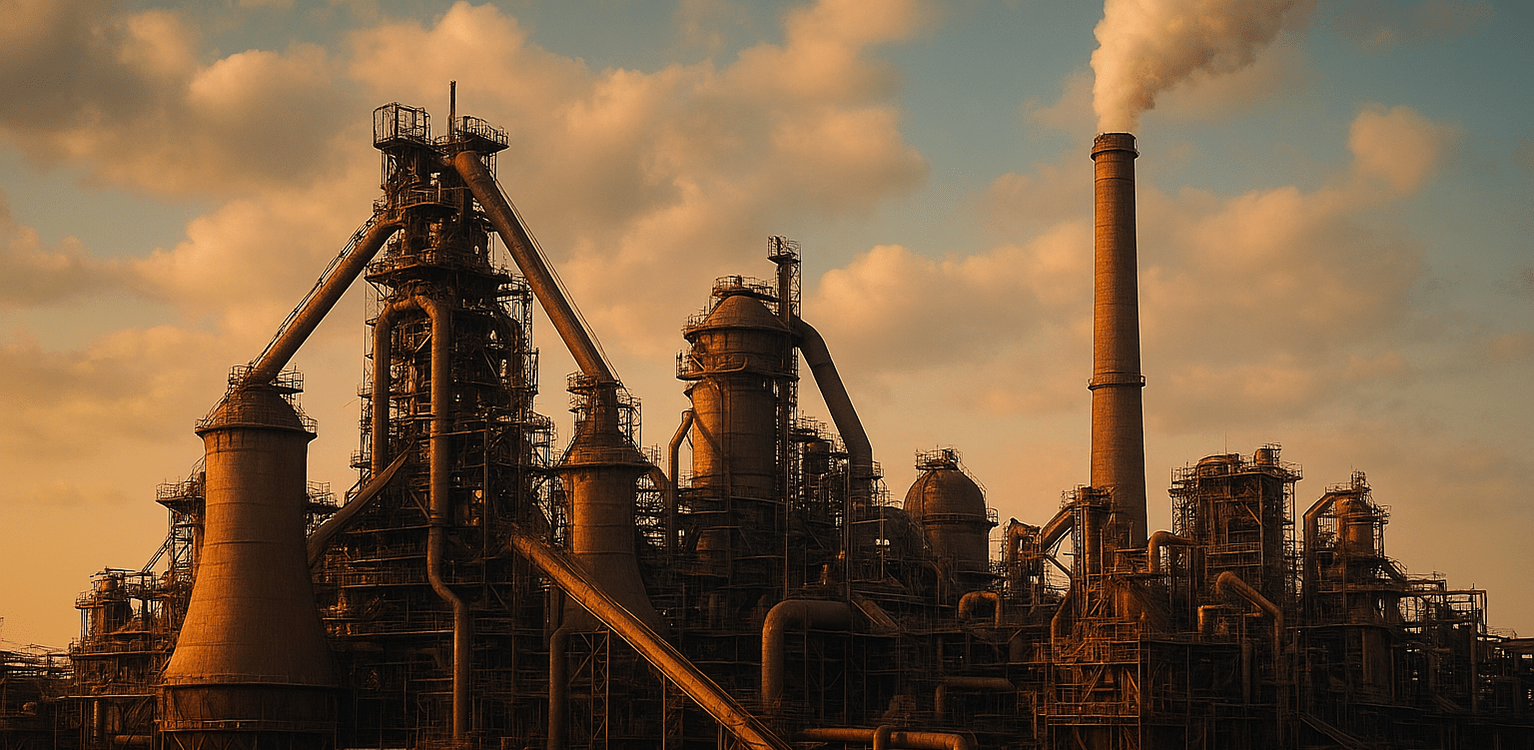
The steel industry is one of the fundamental and essential pillars of global manufacturing.
It plays a critical role in construction, transportation, automotive, industrial machinery, and many other sectors. This industry involves processes that produce steel and steel products from primary raw materials such as iron ore and coal.
The steel industry refers to a set of activities and processes involved in the production of iron and steel.
These processes include the extraction of iron ore, its processing and transformation into steel using various types of furnaces, casting, rolling, and other finishing procedures.
1) Steel Production
The steel industry converts iron ore into steel using methods such as blast furnaces or electric arc furnaces, supplying raw materials to many other industries.
Steel is an alloy made from iron and carbon, known for its exceptional mechanical properties.
2) Construction
Steel is a primary material in the construction of large structures such as bridges, buildings, roads, and infrastructure projects. Its high strength, durability, and malleability make it a key component in the construction sector.
3) Automotive Industry
Steel is widely used in vehicle manufacturing for components such as the body, chassis, and internal parts.
Due to its strength and flexibility, steel contributes to vehicle safety and performance.
4) Machinery and Equipment
The production of industrial machines, manufacturing tools, and heavy equipment all depend on steel.
The steel industry provides the raw materials needed for the production of precise and durable components.
5) Pipe and Profile Manufacturing
The steel industry also includes the production of pipes and profiles used in various industries, including oil, gas, and water supply systems.
1) Iron Ore Extraction and Processing
Iron ore is mined as the primary raw material for steel production. After extraction, it is transported to melting furnaces.
2) Blast Furnace
A traditional process in which iron ore is converted into molten iron. Impurities are removed, and the molten metal is refined into steel.
3) Electric Arc Furnace (EAF)
These furnaces are used to melt recycled steel scrap. This method is more environmentally friendly and relies on scrap as the main input.
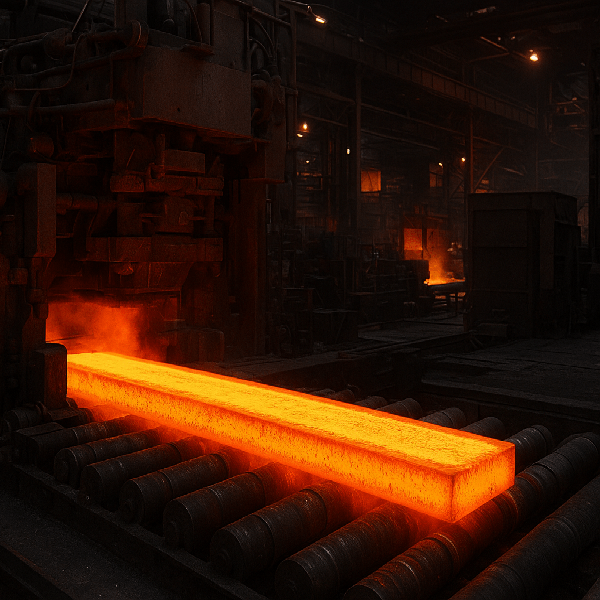
4) Rolling
After molten steel is produced, it is shaped through rolling processes into various forms such as sheets, bars, pipes, or beams.
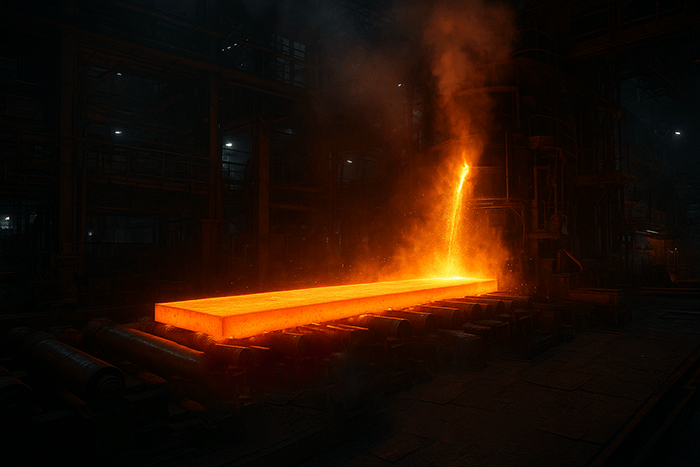
5) Casting and Forming
In this stage, steel is cast into required shapes for different industrial applications.
The steel industry is one of the largest and most important global industries. It plays a vital role in producing the materials needed for building infrastructure, transportation, and industrial equipment.
Economically, it is a major contributor to employment and national GDP in many countries.
Steel forms the foundation of numerous other industries, and the growth of a country’s steel sector directly supports economic development and industrial progress