A bridge between domestic and international markets

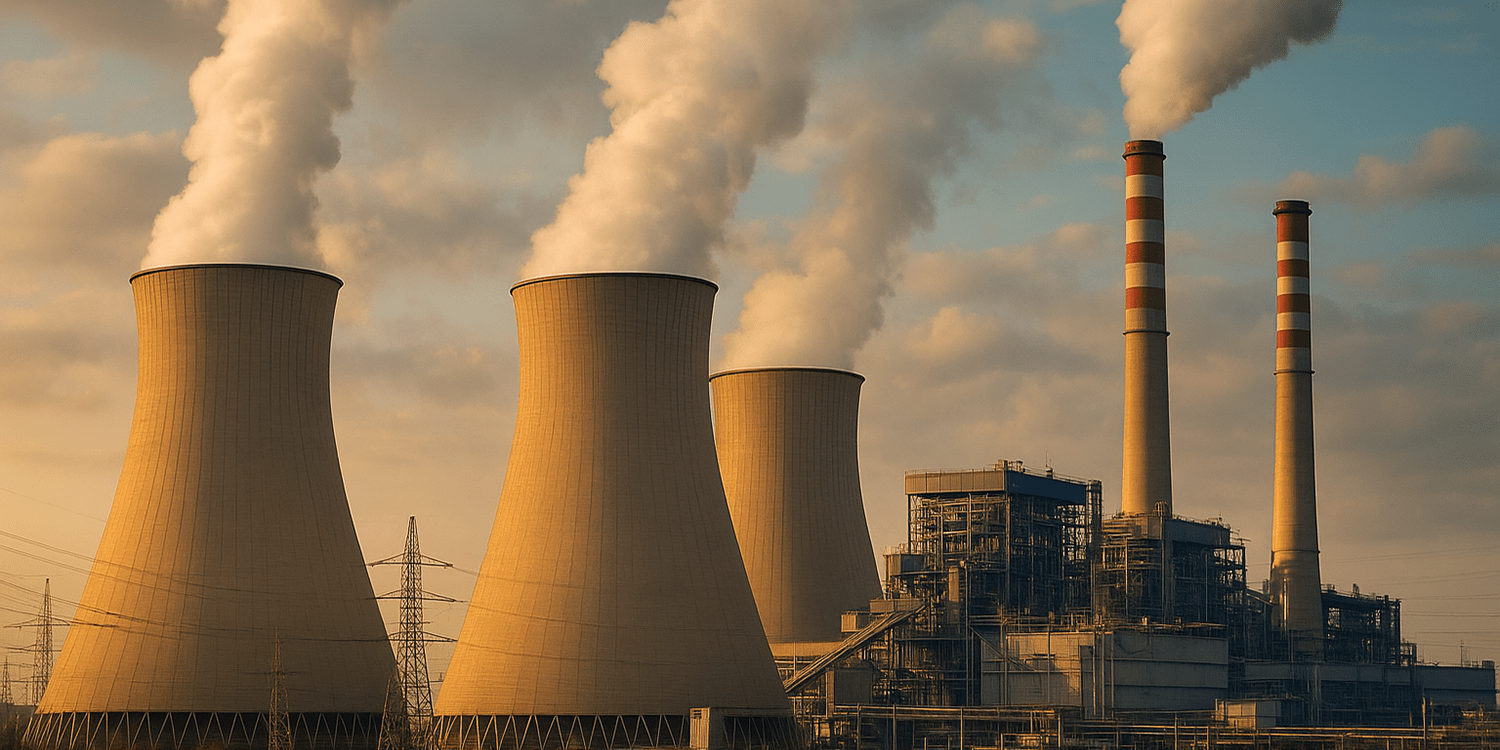
The power plant industry refers to a collection of activities and processes through which energy from various sources is converted into electricity.
These industries are considered one of the main pillars of energy supply in both industrial and non-industrial societies and play a vital role in meeting daily energy needs.
Power plant industries focus on the production and supply of electricity using various energy sources (fossil fuels, nuclear energy, renewable energies such as wind and solar, etc.) and transmit the generated electricity to the power grid.
These power plants operate using fossil fuels such as oil, natural gas, or coal.
In this process, fuel is converted into thermal energy, which is used to produce steam. The generated steam drives turbines, converting mechanical energy into electrical energy.
Advantages:
Availability of fuel sources, low production cost under certain conditions
Disadvantages: Greenhouse gas emissions, air pollution, dependency on limited fuel sources
In these plants, nuclear energy is produced through the fission of atoms (usually uranium). This energy is converted to steam, which drives turbines to generate mechanical and then electrical energy.
Advantages:
Electricity production without air pollution, high efficiency
Disadvantages: High construction and maintenance costs, nuclear safety risks, production of radioactive waste
These plants use wind turbines to convert the kinetic energy of the wind into electrical energy. Wind movement spins the turbines, which through generators produce electricity.
Advantages:
Clean and renewable energy, reduction of greenhouse gas emissions
Disadvantages: Dependence on wind conditions, high installation costs
In these plants, solar energy is converted into electricity through solar panels. These plants can be photovoltaic or thermal.
Advantages:
Renewable energy source, no environmental pollution
Disadvantages: Dependence on sunlight, high initial costs
In this type of plant, the potential energy of water (e.g., from dams) is converted into electrical energy. Water falls from a height, turning turbines that generate electricity.
Advantages:
Clean and reliable energy
Disadvantages: Dependence on water resources, environmental impacts from large dam constructions
These plants use organic materials (such as wood, agricultural waste, or biological residues) to produce energy. These materials are burned and converted into thermal energy.
Advantages:
Renewable energy, waste reduction
Disadvantages: Need for continuous supply of biomass, pollutant emissions
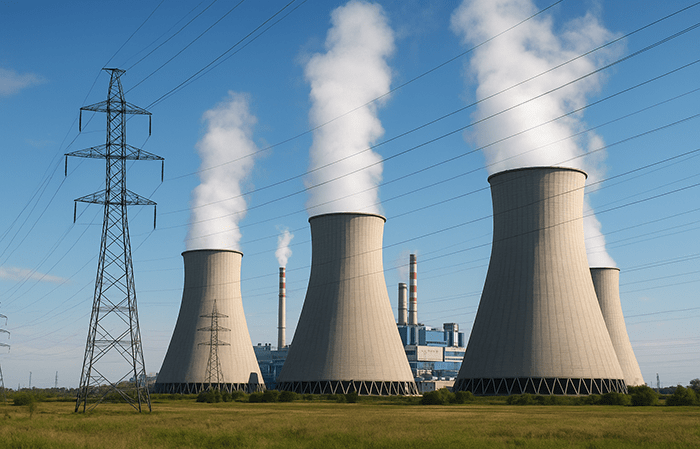
Power plant industries hold economic, social, and environmental significance and play a key role in energy supply essential for the growth and development of countries. The future of these industries is moving toward increased use of renewable resources, process optimization, and minimizing environmental impacts.