A bridge between domestic and international markets


راهکارها و تجهیزات اختر سپهر خلیج پارس
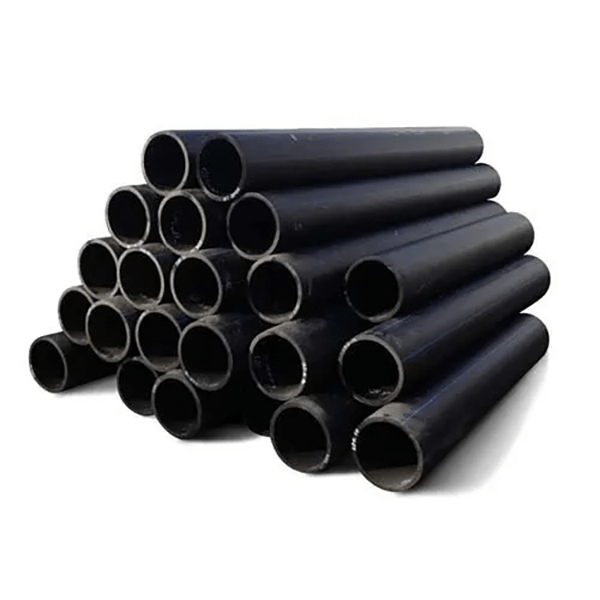
Carbon Steel Pipes
Akhtar Sepehr Khalij Pars, as a direct supplier of industrial equipment, imports original Helical Inline Gearboxes directly and without intermediaries from official representatives of reputable European brands such as SEW-Eurodrive and Flender, and provides them to various industries.
Description
Carbon Steel Pipes
Carbon Steel: A type of steel in which carbon is the main alloying element, typically ranging from 0.05% to 2.0%.
Carbon Steel Pipe: A pipe made of carbon steel, mainly used for transporting fluids, gas, steam, or as a structural component.
Types of Carbon Steel Pipes
- Welded Pipes: Produced from steel plates or strips and joined with a weld seam.
- Seamless Pipes: Manufactured through hot rolling or drawing without a weld seam, offering superior strength and durability.
- Galvanized Pipes: Carbon steel pipes coated with zinc to enhance corrosion resistance.
Key Technical Properties
- Carbon Content: Directly affects the pipe’s strength and hardness, though higher carbon reduces corrosion resistance.
- Tensile Strength & Yield Strength: Must meet specific requirements depending on pressure and application.
- Hardness & Wear Resistance: Important in applications involving abrasive materials.
- Diameter & Thickness: Manufactured according to standards such as ASTM, API, and DIN.
Applications
- Fluid & Gas Transmission: Water, steam, oil, industrial gases, and chemicals in steel production processes
- Steam & Water Lines: Used in heating and cooling systems of steel plants
- Structural & Support Constructions: Due to high strength, used in support structures for steel equipment
- Machinery & Rolling Mill Components: Such as rollers, pistons, and hydraulic cylinders
Advantages
- Lower cost compared to alloy and stainless steels
- Good weldability and formability
- Adequate resistance to mechanical pressures
Limitations
- Lower corrosion resistance compared to stainless steels
- Requires coating or painting in humid and corrosive environments
Common Standards
- ASTM A53: Carbon steel pipes for transmission and structural purposes
- ASTM A106: Carbon steel pipes for high-temperature fluid and steam service
- API 5L: Carbon steel pipes for oil and gas pipelines
- DIN & JIS: European and Japanese standards