A bridge between domestic and international markets

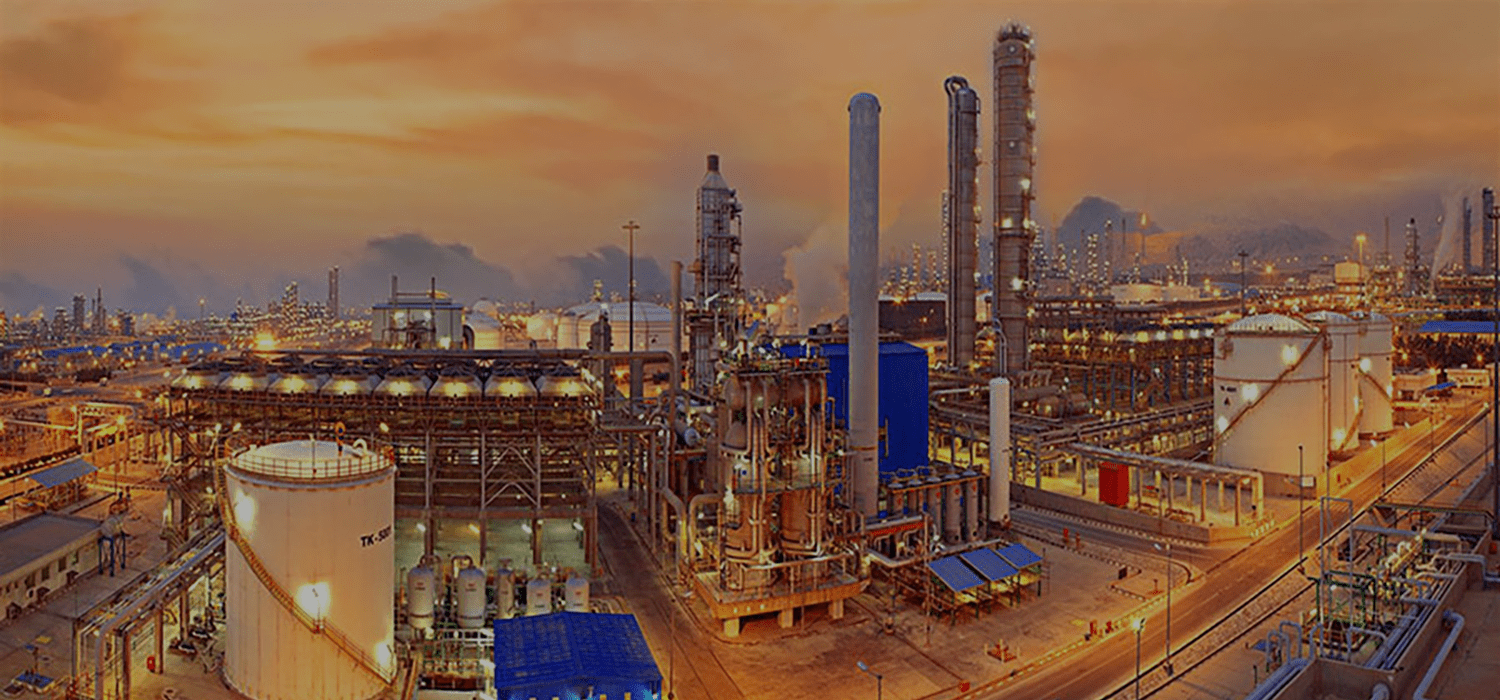
Iran’s petrochemical industry, as one of the pillars of the national economy, plays a decisive role not only in meeting domestic demands but also in shaping the global supply chain.
Thanks to Iran’s strategic geographical location at the heart of the Middle East and its vast reserves of natural gas and crude oil, the country has secured a prominent position in global markets.
This article explores Iran’s multifaceted role in the global petrochemical supply chain and analyzes its significance in the global economy.
اWith over 34 trillion cubic meters of natural gas reserves and extensive oil resources, Iran is considered one of the world’s largest producers of petrochemical feedstocks.
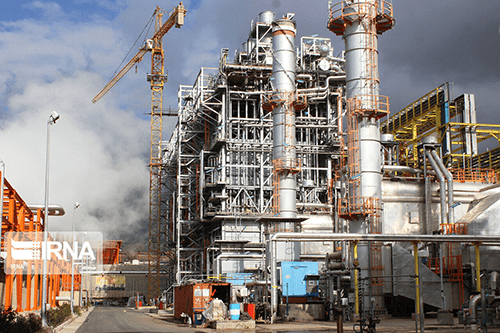
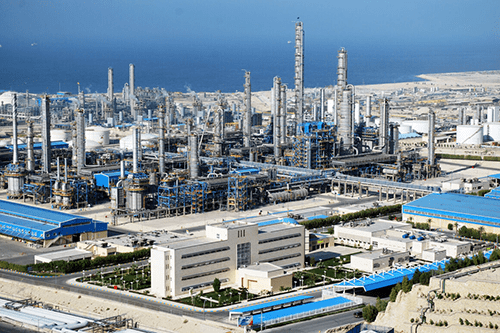
Iranian petrochemical complexes manufacture a wide range of products, including methanol, urea, ethylene, propylene, and various polymers, which have a strong presence in international markets.
One of Iran’s key competitive advantages lies in its low production costs, driven by access to abundant and affordable feedstock and energy. This has enabled Iranian products to remain price-competitive against producers from Asia and Europe.
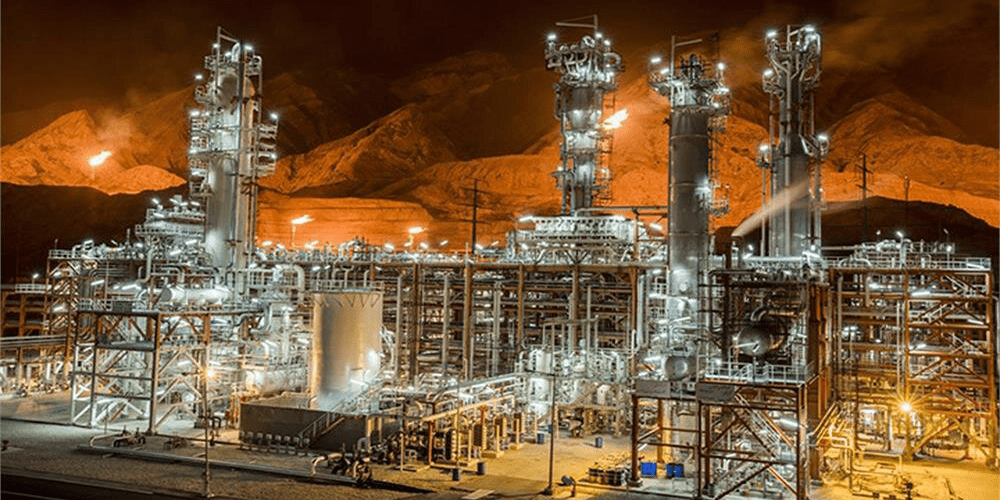
The global petrochemical supply chain comprises several stages: feedstock production, raw material processing, final product manufacturing, and export.
Iran plays an active role in all these areas:
As one of the leading producers of methanol and urea, Iran plays a significant role in supplying essential inputs for global agriculture and industrial production.
Iran exports a wide range of basic and intermediate petrochemical products to markets across Asia, Europe, and Africa.
Iranian petrochemical products serve as raw materials for various industries such as automotive, packaging, pharmaceuticals, and textiles—strengthening Iran’s position in the global value chain
Despite its vast potential, Iran’s petrochemical industry faces several challenges:
International sanctions have restricted Iran’s access to certain markets and advanced technologies.
Limitations in port development and maritime transport capacity can hinder timely access to global markets.
Countries like Saudi Arabia and Qatar have emerged as strong competitors through substantial investments in their petrochemical sectors
Despite existing barriers, there are significant opportunities for Iran’s petrochemical industry to grow and solidify its position in the global supply chain:
By producing more value-added final and semi-final products, Iran can capture a larger share of the global market.
Expanding trade relations with East Asia, Africa, and Latin America could reduce dependency on a limited number of markets.
Embracing green and sustainable technologies will enhance Iran’s competitiveness in environmentally conscious global markets
Iran’s role in the petrochemical industry extends beyond exports. By supplying essential raw materials to diverse global industries, the country indirectly contributes to:
Disruptions in Iran’s production or export capacity could result in price increases and challenges across the global supply chain
Conclusion
Iran’s petrochemical industry is a cornerstone of both the national and global economy, playing a crucial role in the global supply chain.
Its strategic location, vast energy resources, and high production capabilities position Iran as a key player in this vital sector.
While challenges such as sanctions and regional competition persist, numerous opportunities exist for growth, innovation, and expanded global presence.
The future of Iran’s petrochemical industry will depend on innovation, downstream development, and proactive economic diplomacy